
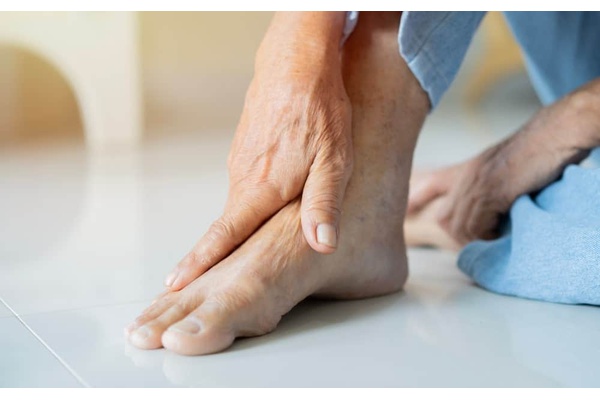
10 Helpful Tips for Diabetic Foot Care
Reviewed by Cory Moczygemba, DPM
For people with diabetes, taking proper care of their feet is crucial to prevent serious complications. Diabetes can cause nerve damage (neuropathy) and poor blood circulation, which can lead to foot problems that, if left untreated, may result in severe consequences. At TSAOG Orthopaedics, our foot and ankle specialists understand the importance of diabetic foot care and are committed to helping you maintain healthy feet. In this guide, we share tips to help you care for your feet and prevent complications related to diabetes.
Inspect your feet daily for any cuts, blisters, sores, swelling, or redness.
Use a mirror to check the bottoms of your feet if needed. Diabetic neuropathy can cause numbness, making it difficult to feel injuries. Catching problems early prevents them from worsening. If you notice any issues or have trouble examining your feet, ask a family member for help or consider using a long-handled mirror to check hard-to-see areas regularly.
Wash your feet daily with warm (not hot) water and mild soap.
Dry them gently, especially between the toes. Hot water can cause burns, while excessive moisture between toes promotes fungal growth. Use a soft towel to pat your feet dry, taking care not to rub vigorously, as this can damage the skin. If you have trouble reaching your feet, use a long-handled sponge or brush or ask a caregiver for assistance.
Moisturize your feet to prevent dryness and cracking.
Avoid applying lotion between the toes, as this can lead to fungal growth. Use a rich, hydrating cream or ointment on the tops and bottoms of your feet to keep the skin supple and prevent fissures. Cracks in the skin can allow bacteria to enter, increasing the risk of infection. Remember to apply moisturizer after bathing and whenever your skin feels dry.
Trim your toenails straight across and file the edges.
If you have difficulty, consider seeing a podiatrist for regular nail care. (This is no longer covered by insurance and we do not offer this on a cash basis) Improper nail trimming can lead to ingrown toenails and infections. Use clean nail clippers and file rough edges to prevent snagging on socks or bedding. If you have limited mobility, poor eyesight, or very thick nails, it’s best to have a podiatrist handle your nail care to reduce the risk of injury.
Always wear clean, dry socks and well-fitting shoes.
Avoid walking barefoot, even indoors. Wearing socks helps wick away moisture and provides a barrier between your feet and your shoes. Choose socks made from breathable materials like cotton or moisture-wicking fabrics. Properly fitting shoes reduce the risk of blisters, sores, and foot deformities. Barefoot walking increases the chance of injury from stepping on sharp objects or exposing your feet to extreme temperatures.
Choose shoes with good support, a wide toe box, and no pressure points.
Break in new shoes gradually. Proper footwear is crucial for preventing foot problems. Look for shoes with a supportive arch, cushioned soles, and a spacious toe area to accommodate any foot deformities. Avoid shoes with high heels, narrow or pointed toes, or rough seams that could rub against your skin. When buying new shoes, wear them for short periods initially to prevent blisters and ensure a comfortable fit.
Promote circulation by wiggling your toes and moving your ankles periodically throughout the day.
Sitting for long periods or having diabetes can reduce circulation in the feet. Engage in simple foot and ankle exercises like toe wiggles, ankle rotations, and calf stretches to help blood flow. If you spend a lot of time sitting, take breaks to stand up, walk around, or elevate your feet.
Good circulation is essential for wound healing and overall foot health.
Control your blood sugar levels as directed by your healthcare provider. High blood sugar can damage nerves and blood vessels in the feet, leading to neuropathy and poor circulation. Follow your diabetes management plan, including regular blood sugar monitoring, taking medications as prescribed, and maintaining a balanced diet. Keeping your blood sugar within the target range set by your healthcare team can help prevent or slow the progression of foot complications related to diabetes.
Don’t remove calluses or corns yourself.
Consult a podiatrist for safe removal. Attempting to remove calluses or corns at home can lead to cuts and infections, especially if you have reduced sensation in your feet due to neuropathy. Podiatrists have the proper tools and expertise to safely remove these thick, hardened areas of skin without causing damage. They can also provide guidance on preventing calluses and corns from recurring.
Have your feet checked by a healthcare professional at least once a year or more often if you have a history of foot problems.
Regular foot exams are essential for identifying issues early and preventing complications. During these check-ups, your healthcare provider will assess your feet for signs of neuropathy, circulation problems, skin changes, and any deformities. They can also trim your nails, remove calluses, and provide personalized advice on foot care based on your individual needs and risk factors.
To see a helpful graphic with some of these tips, check out the CDC’s resource.
How TSAOG Can Help
At TSAOG Orthopaedics, our foot and ankle specialists, like Dr. Kevin L. Kirk and Dr. Charles E. Bryant, help people with diabetes maintain healthy feet and prevent complications. If you have diabetes and want to ensure the best possible care for your feet, book an appointment today.
References:
https://www.tsaog.com/find-physicians/?docSpec=Foot+%26+Ankle
https://www.tsaog.com/services/foot-and-ankle/
https://www.cdc.gov/diabetes/communication-resources/tips-for-healthy-feet.html
https://www.tsaog.com/
https://www.tsaog.com/physicians/kevin-l-kirk/
https://www.tsaog.com/physicians/charles-e-bryant/
https://tsaog.radixhealth.com/dash/self/
Find the Right Orthopaedic Care Near You
Recent Articles
What is Patellar Instability? Symptoms, Causes, and Treatment Options

Understanding Shoulder Arthritis: Treatment Options and What to Expect
What is Dupuytren’s Contracture? Symptoms, Causes, and Treatment Options






© 2025 The San Antonio Orthopaedic Group, LLP. All Rights Reserved.