
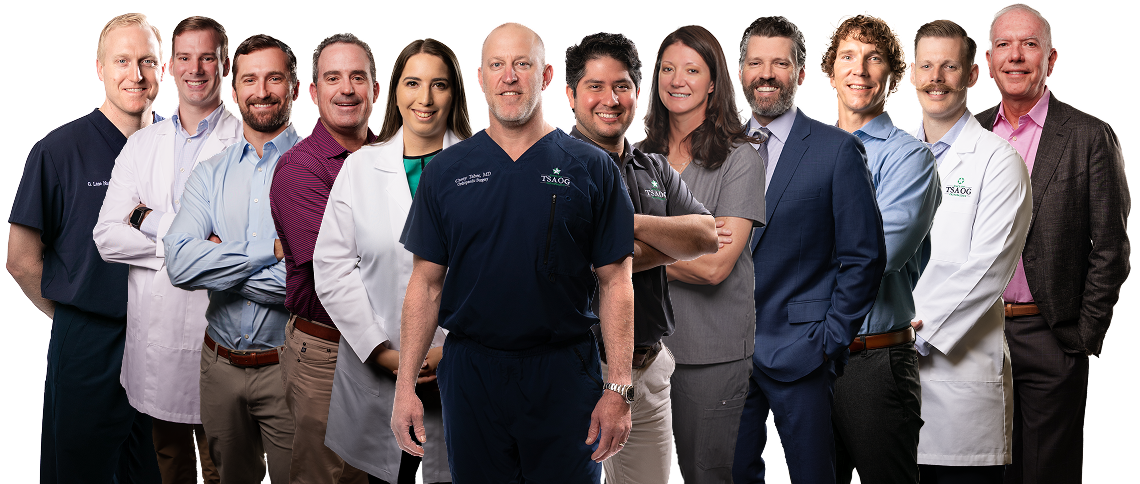
San Antonio's Sports Medicine Specialists




What We Treat
Sports-related Injuries
Arthroscopic and Reconstructive Surgery of the Shoulder, Elbow, Hip, Knee and Ankle
Cartilage Restoration Procedures
Fracture and Trauma Care
Minimally Invasive Joint Replacement
Pediatric Sports Injuries
Revision Surgery
Sprains and Strains
Steroid Injections
Tennis Elbow / Golfer’s Elbow
Unicompartmental / Partial Knee Replacement
Viscosupplementation (Rooster Comb) Injections
Youth Sports Injuries
Shoulder Injuries & Conditions
Biceps Tendinitis
Bursitis
Fractures
Frozen Shoulder
Rotator Cuff Tears
Separated Shoulder / AC Joint Separation
Shoulder Joint Dislocation
Shoulder Instability
Shoulder Impingement
SLAP Tears / Labral Tears
Snapping Scapula
Tendinitis / Tendinosis
Total Joint Arthoplasty / Replacement
Knee Injuries
Anterior Cruciate Ligament (ACL) Tears
Dislocation of the Kneecap or Knee Joint
Fractures
Iliotibial (IT) Band Syndrome
Medial Collateral Ligament (MCL) Tears
Meniscus Tears
Patellofemoral Syndrome
Tendinitis / Tendinosis
Hip Injuries
Bursitis
Dislocation of the Hip Joint
Fractures
Femoroacetabular Impingement (FAI)
Groin Pulls and Hamstring Strains
Labral Tears of the Hip
Tendinitis / Tendinosis
Related Articles
ACL Reconstruction Surgery: What Are The Different Graft Options?
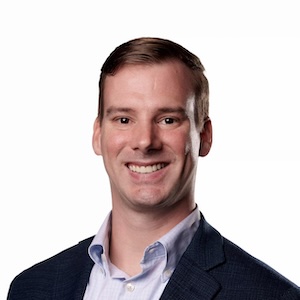
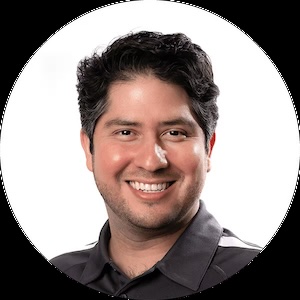
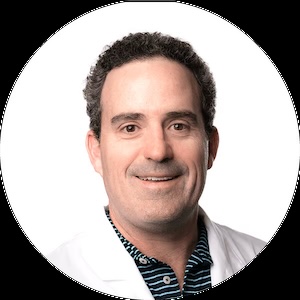
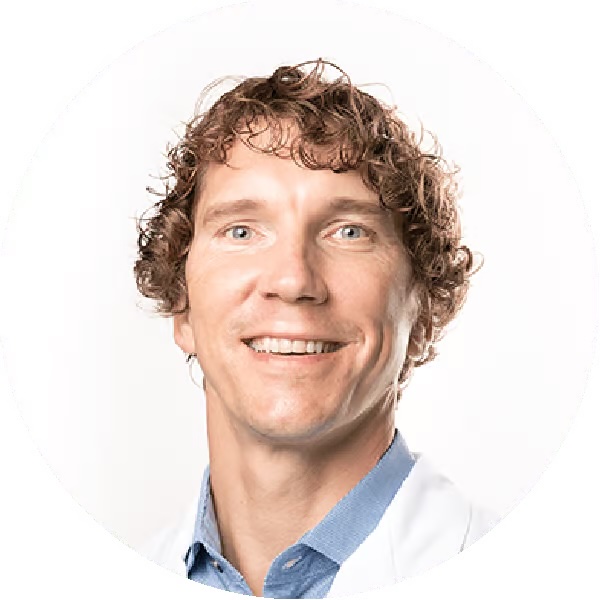
Meet Your Sports Medicine Team




Frequently Asked Questions
What is the difference between seeing a sports medicine doctor and a general orthopedic specialist at TSAOG?
A sports medicine doctor specializes in treating injuries related to sports, exercise, and physical activity, while a general orthopedic specialist treats a broader range of bone, joint, muscle, ligament, and tendon conditions. At TSAOG, our Sports Institute brings together orthopedic surgeons and sports medicine primary care providers to offer comprehensive care, from diagnosis and non-surgical treatment to rehabilitation and surgical consultation when needed.
Do I need a referral from my primary care doctor to schedule a sports medicine appointment?
You may be able to schedule a sports medicine appointment directly, but referral requirements depend on your insurance plan. Some insurance carriers require a referral or prior authorization before specialist visits, imaging, therapy, or certain procedures. The safest option is to check with your insurance provider or call TSAOG before scheduling.
What should I bring to my first sports medicine consultation?
Bring your photo ID, insurance card, a list of current medications, and any prior imaging or medical records related to your injury. It is also helpful to bring notes about when the pain started, what activities make it better or worse, and any treatments you have already tried. If your injury happened during a sport or workout, bring any braces, supports, or equipment that may help your provider understand how the injury occurred.
Does the sports medicine team treat non-athletes or people with activity-related injuries from everyday life?
Yes, TSAOG’s sports medicine team treats athletes and non-athletes with activity-related injuries. You do not need to be a competitive or professional athlete to see a sports medicine doctor. Sports medicine can also help with sprains, strains, joint pain, tendon injuries, overuse injuries, and pain from exercise, work, hobbies, or everyday movement.
What non-surgical treatment options are available before considering surgery?
Non-surgical sports medicine treatment may include physical therapy, activity modification, bracing, medications, steroid injections, viscosupplementation injections, and other conservative care options. Your provider will recommend treatment based on your diagnosis, pain level, activity goals, and how your injury responds to initial care. Surgery is usually considered when non-surgical treatments are not enough or when the injury requires surgical repair.
Your Path to Recovery Starts Here
Find a Location Near You
TSAOG Orthopaedics & Spine at Westover Hills
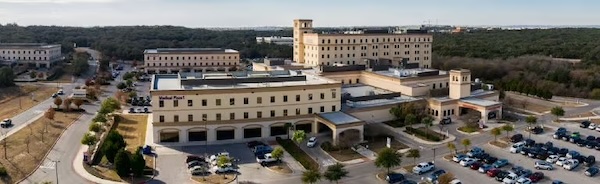
TSAOG Orthopaedics & Spine at CHRISTUS Medical Center
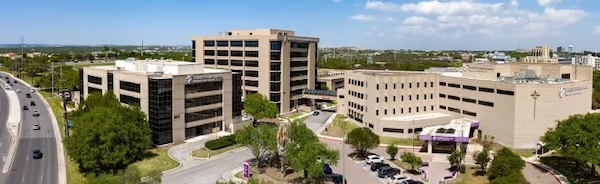
TSAOG Orthopaedics & Spine at Brooks City Base
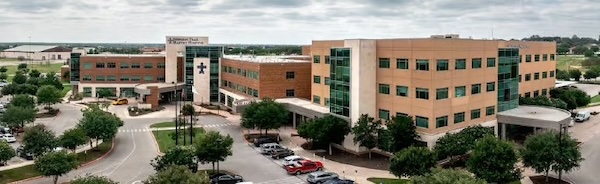
TSAOG Orthopaedics & Spine at Schertz Parkway
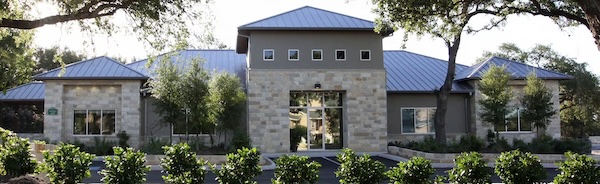
TSAOG Orthopaedics & Spine at New Braunfels
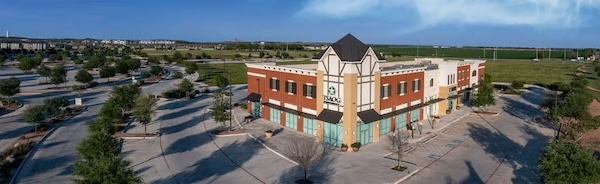
TSAOG Orthopaedics & Spine at Grayson Heights
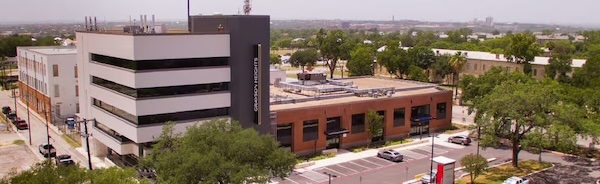
TSAOG Orthopaedics & Spine near Alamo Quarry Market
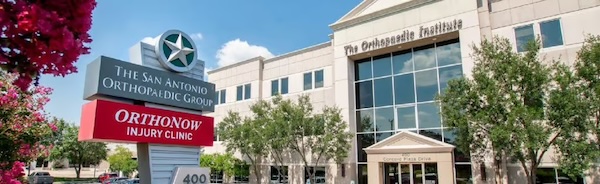
TSAOG Orthopaedics & Spine at Ridgewood
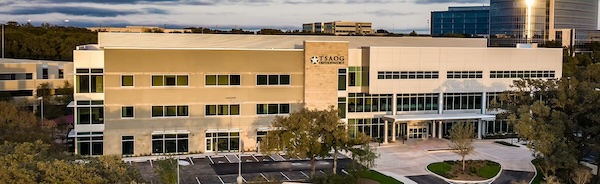






© 2025 The San Antonio Orthopaedic Group, LLP. All Rights Reserved.