Causes of ACL Tears
ACL tears are common in sports that involve cutting, pivoting, jumping, and sudden stops. These injuries often happen during high-speed movements that place the knee in unstable positions. At TSAOG, our sports medicine physicians and comprehensive sports medicine services help athletes improve movement patterns, reduce injury risk, and recover safely after knee injuries.
While contact injuries can occur, many ACL injuries happen without direct impact. Sudden directional changes, awkward landings, and poor movement control can place significant stress on the knee joint, especially during high-intensity play or fatigue.
Why Specific Movements Put Stress on the ACL
The anterior cruciate ligament helps stabilize the knee during rotation and forward movement. Certain athletic motions place especially high stress on this ligament because they require the knee to absorb force while remaining stable under pressure.
Movements such as pivoting, cutting, sudden deceleration, and awkward landings can all increase ACL strain, particularly when they occur at high speed. Many tears happen during rapid directional changes or unstable landing positions, rather than direct contact alone.
Sports like basketball, soccer, football, and volleyball place athletes in these positions repeatedly throughout competition. ACL tears are among the most common sports injuries seen in athletes who participate in high-speed, high-impact activities.
The Impact of Footwork Errors and Sudden Direction Changes
Quick directional changes require coordination between the hips, knees, ankles, and core. When foot placement or body control breaks down, more stress is placed on the knee joint itself.
One of the most common ACL injury scenarios occurs when an athlete plants the foot and rotates suddenly, causing the knee to collapse inward, particularly during cutting or pivoting movements at high speed. Many of these risks can be reduced through targeted ACL prevention strategies that improve movement control and joint stability.
Poor footwork mechanics can also create imbalance during acceleration and deceleration. Small positioning errors may not cause problems immediately, but repeated stress over time can increase strain on the knee during competition.
Fatigue often makes these issues worse. As athletes tire, reaction time and movement control can decline, making unstable cutting or pivoting motions more likely late in games or intense training sessions.
How Poor Landing Mechanics Lead to Knee Injury
Landing mechanics play a major role in preventing ACL injuries. When athletes land with stiff knees, poor alignment, or limited hip engagement, the body loses its ability to absorb force efficiently.
Instead of distributing impact through the hips and surrounding muscles, more stress is transferred directly into the knee joint. This becomes especially dangerous during repetitive jumping activities or sudden landings after contact.
Poor landing control can also increase inward knee movement, a pattern commonly associated with ACL injuries. Athletes may not recognize these movement patterns on their own because they often happen in fractions of a second during live play.
Many ACL tears occur without contact because they occur during unstable movement rather than from direct collision. This is one reason why movement training has become such an important part of modern sports medicine care.
Athletes recovering from knee injuries or dealing with instability often need a treatment plan that supports both healing and long-term movement control.
Proven Training Drills to Improve Safe Movement Patterns
Training programs focused on movement quality can significantly reduce the risk of ACL injury. Rather than simply building strength, these programs help athletes improve balance, coordination, body positioning, and control under load.
Neuromuscular training is among the most widely studied approaches to ACL prevention. These exercises teach athletes how to stabilize the knee during cutting, landing, and rapid changes in direction. Targeted prevention programs can improve movement efficiency and reduce dangerous knee positioning during sports activities.
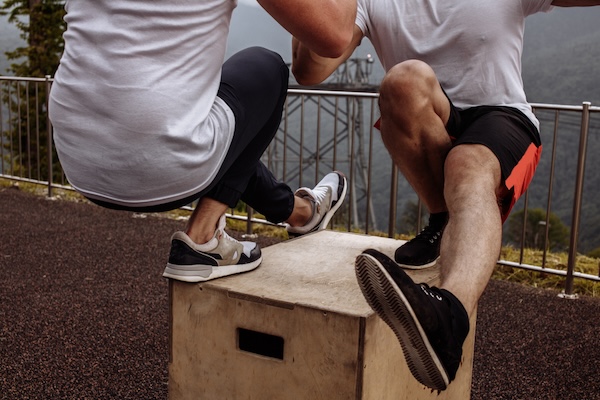
Strategies like plyometric drills, balance exercises, and controlled agility work are commonly used to reinforce safer movement mechanics. These drills help athletes improve balance, control, and awareness of knee positioning during movement while improving how force is absorbed through the hips and legs.
Movement training also becomes more effective when it reflects the demands of a specific sport. Practicing realistic cutting, jumping, and deceleration patterns helps athletes apply safer mechanics during real competition rather than only during isolated drills.
Improve Your Form With TSAOG Sports Medicine
Movement quality, strength, and coordination all contribute to reducing ACL injury risk. Early evaluation can help identify movement patterns that place excess stress on the knee before an injury occurs.
At TSAOG, sports medicine specialists work with athletes to assess movement mechanics, improve stability, and develop individualized injury prevention strategies. Treatment plans are designed around the athlete’s sport, training demands, and long-term goals.
For athletes recovering from injury or looking to improve performance safely, targeted training and sports medicine guidance can help them move more safely and reduce stress on the knee over time. To learn more or get started, book an appointment with TSAOG Sports Medicine.
References:
Find the Right Orthopaedic Care Near You
Recent Articles

Orthopedic Spine Surgeon vs Neuro Spine Surgeon: What’s The Difference and Which Doctor Should You See?

Want TSAOG to Notice Your Resume? Make It Easy for Us. (Shorter Version)

So, You Landed an Interview with TSAOG. Now What?






© 2025 The San Antonio Orthopaedic Group, LLP. All Rights Reserved.