

Nationally Recognized
Expertise in Preventing Fractures
TSAOG Orthopaedics & Spine is honored to continue delivering best-in-class preventive care to the South Texas region.
What is Osteoporosis
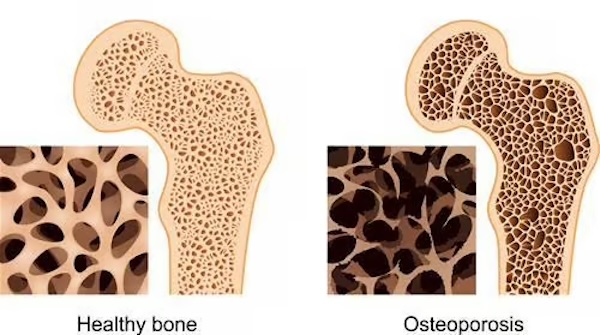
Orthopedic surgeons treat fractures all the time, but did you know that certain fractures can be a sign of a more serious underlying problem? If you are over the age of 50 and experience one of the following types of fractures, you should be screened for osteoporosis:
- Wrist (Distal Radius) Fracture
- Spine (Vertebral) Fracture
- Hip Fracture
- Shoulder (Proximal Humerus) Fracture
Osteoporosis is a disease of the bone in which you lose too much bone as you age, making your bones more porous than they should be and weakening their underlying structure. The more porous your bones become, the more likely they are to break.
Who is at Risk for Osteoporosis
Osteoporosis can affect both men and women, but multiple factors can increase your risk for developing osteoporosis, including:
- Age – older people are at greater risk.
- Race – people of Asian or Caucasian descent are at greater risk.
- Gender – women are at greater risk than men.
- Hormone Levels – a reduction in testosterone or estrogen can increase your risk for osteoporosis.
- Eating Habits – a diet low in vitamin D and calcium can put you at greater risk.
- Eating Disorders – bulimia or anorexia can increase your risk.
- Lifestyle – people with a sedentary lifestyle are at greater risk.
- Family History – a family history of osteoporosis or hip fractures can increase your risk
- Smoking – recent studies have shown a relationship between smoking and reduced bone density.
- Frame Size – a smaller frame size can increase your risk.
- Medical Conditions – certain conditions (including Type 1 Diabetes, Rheumatoid Arthritis, and Inflammatory Bowel Disease) can increase your risk for developing osteoporosis.
Unchecked, these individuals are at significantly increased risk for additional bone loss and future fractures. That’s why TSAOG Orthopaedics & Spine created the Bone Health Program.
Fracture Follow-Up
If you are over the age of 50 and are treated for a fracture known to be indicative of osteoporosis, your physician may refer you for a Bone Health consultation. During your bone health consultation a provider will work with you to:
- Educate you on osteoporosis and why you are considered at risk.
- Evaluate your specific case with a detailed history, physical, and referral for any additional testing necessary.
- Establish a treatment plan, which might include lifestyle changes and medication to prevent further bone loss or even rebuild bone.

Alexis Maiella, D.O.
Non-Surgical Sports Medicine Physician
Available at the following TSAOG locations:
- Ridgewood
- Mission Trail
- Grayson Heights
- Schertz

Janean Vargas, MSN, APRN, FNP-BC
Board-Certified Nurse Practitioner
Available at the following TSAOG locations:
- Ridgewood
- Quarry Area
Bone Health FAQs
What Is a Bone Health Evaluation?
Who Should Consider a Bone Health Evaluation?
Do I Need to Have Osteoporosis to See a Bone Health Specialist?
What Types of Fractures Can Be a Sign of Osteoporosis?
What Happens During a Bone Health Appointment?
What Tests Are Used to Check Bone Health?
How Is Osteoporosis Treated?
Where Can I Get a Bone Health Evaluation in San Antonio?
Don’t Wait!
Schedule a Bone Health Consultation Now
Find A Clinic
TSAOG Orthopaedics & Spine at Ridgewood
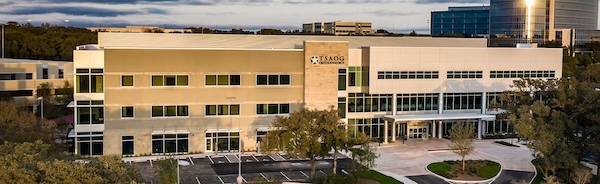
TSAOG Orthopaedics & Spine near Alamo Quarry Market
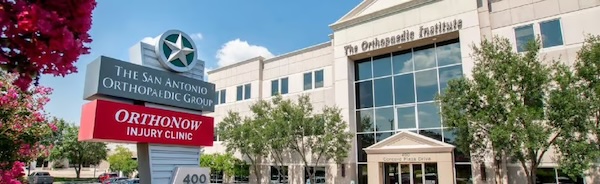
TSAOG Orthopaedics & Spine at Brooks City Base
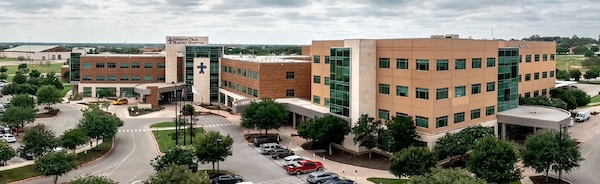
TSAOG Orthopaedics & Spine at Grayson Heights
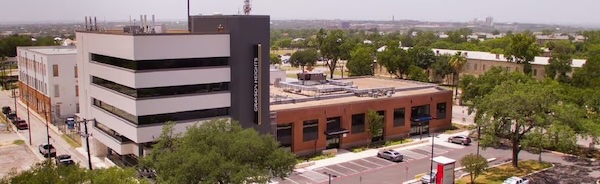
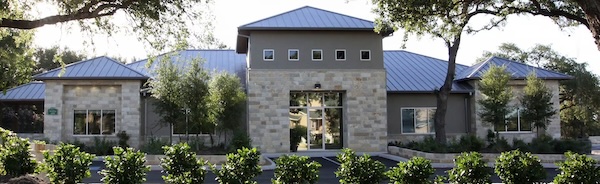
TSAOG Orthopaedics & Spine at Schertz Parkway






© 2025 The San Antonio Orthopaedic Group, LLP. All Rights Reserved.