
What Is Arthroscopic Surgery?
Areas We Treat
Ankle
Ankle arthroscopy is a minimally invasive technique that offers orthopedic surgeons the ability to access, navigate, and operate on the ankle joint through very small incisions.
What Is Ankle Arthroscopy?
A minimally invasive technique — sometimes called an "ankle scope" — that lets the surgeon access, explore, and operate on the joint through very small incisions, using a magnified camera view in place of a larger open-surgery incision.
- Loose Bodies in the Ankle
- Ankle Fractures
- Osteochondritis Dissecans (OCD)
- Ankle Instability
- Osteochondral Lesions (OCL)
- Ankle Impingement
- Bone Spurs
- Ankle Infections
Arthroscopic surgery can also be used in combination with open surgery for some procedures.
Elbow
Elbow arthroscopy is a minimally invasive technique that offers orthopedic surgeons the ability to access, navigate, and operate on the elbow joint through very small incisions.
What Is Elbow Arthroscopy?
A minimally invasive technique — sometimes called an "elbow scope" — that lets the surgeon access, explore, and operate on the joint through very small incisions, using a magnified camera view in place of a larger open-surgery incision.
- Loose Bodies in the Elbow
- Bone Spurs
- Tennis Elbow (Lateral Epicondylitis)
- Elbow Joint Contractures
- Osteoarthritis of the Elbow
- Inflammatory Arthritis (Rheumatoid Arthritis)
- Osteochondritis Dissecans
- Elbow Fractures
- Sepsis
Arthroscopic surgery can also be used in combination with open surgery for some procedures.
Hip
Hip arthroscopy is a minimally invasive technique that offers orthopedic surgeons the ability to access, navigate, and operate on the hip joint through very small incisions.
What Is Hip Arthroscopy?
A minimally invasive technique — sometimes called a "hip scope" — that lets the surgeon access, explore, and operate on the joint through very small incisions, using a magnified camera view in place of a larger open-surgery incision.
- Femoroacetabular Impingement (FAI)
- Labral Tears of the Hip
- Snapping Hip Syndrome
- Loose Bodies in the Hip
- Bone Spurs
- Iliotibial (IT) Band Syndrome
- Hip Bursitis
- Tendon Tears
Arthroscopic surgery can also be used in combination with open surgery for some procedures.
Knee
Knee arthroscopy is a minimally invasive technique that offers orthopedic surgeons the ability to access, navigate, and operate on the knee joint through very small incisions.
What Is Knee Arthroscopy?
A minimally invasive technique — sometimes called a "knee scope" — that lets the surgeon access, explore, and operate on the joint through very small incisions, using a magnified camera view in place of a larger open-surgery incision.
- Meniscus Tears / Meniscal Transplants
- Anterior Cruciate Ligament (ACL) Tears
- Loose Bodies in the Knee
- Posterior Cruciate Ligament (PCL) Tears
- Bone Spurs
- Knee Infections
Arthroscopic surgery can also be used in combination with open surgery for some procedures.
Shoulder
Shoulder arthroscopy is a minimally invasive technique that offers orthopedic surgeons the ability to access, navigate, and operate on the shoulder joint through very small incisions.
What Is Shoulder Arthroscopy?
A minimally invasive technique — sometimes called a "shoulder scope" — that lets the surgeon access, explore, and operate on the joint through very small incisions, using a magnified camera view in place of a larger open-surgery incision.
- Rotator Cuff Tears
- Shoulder Impingement Syndrome
- Labral Lesions & Tears (incl. SLAP & Bankart Tears)
- Frozen Shoulder (Adhesive Capsulitis)
- Osteoarthritis of the Shoulder
- Biceps Tendon Tears at the Shoulder
- Shoulder Instability
- Ligament Tears
- Shoulder Fractures
- Acromioclavicular (AC) Joint Separation
- AC Joint Arthritis
- Shoulder Infection
- Suprascapular Nerve Compression
- Calcific Tendonitis
- Symptomatic Os Acromiale
Arthroscopic surgery can also be used in combination with open surgery for some procedures.
Wrist
Wrist arthroscopy is a minimally invasive technique that offers orthopedic surgeons the ability to access, navigate, and operate on the wrist joint through very small incisions.
What Is Wrist Arthroscopy?
A minimally invasive technique — sometimes called a "wrist scope" — that lets the surgeon access, explore, and operate on the joint through very small incisions, using a magnified camera view in place of a larger open-surgery incision.
- Carpal Tunnel Syndrome
- Wrist Fractures
- Ganglion Cysts
- Ligament Tears
- Triangular Fibrocartilage Complex (TFCC) Tears
Your Arthroscopic Surgery Team


































Frequently Asked Questions
How do I know if my joint problem can be treated arthroscopically or if I'll need open surgery?
Your orthopedic surgeon can determine whether arthroscopic or open surgery is more appropriate after evaluating your symptoms, exam findings, imaging, and the extent of joint damage. Arthroscopy may be used to diagnose or treat many joint problems through small incisions, but some injuries or advanced joint conditions may require open surgery or another procedure.
What type of anesthesia is used during arthroscopic surgery at TSAOG?
The type of anesthesia used for arthroscopic surgery depends on the joint being treated, the procedure, your health history, and your surgeon’s recommendation. Arthroscopy may be performed with general, spinal, regional, or local anesthesia depending on the case. Your care team will review the anesthesia plan with you before surgery.
How soon after arthroscopic surgery can I return to work or physical activity?
Return to work or physical activity depends on the joint treated, the procedure performed, your job demands, and your rehabilitation plan. Some patients return to desk work or light activity sooner, while physically demanding jobs or sports may require a longer recovery. Your surgeon will give you specific activity restrictions and milestones during follow-up.
Will I need physical therapy after an arthroscopic procedure, and does TSAOG provide that in-house?
Many patients need physical therapy or a home exercise program after arthroscopic surgery to restore motion, strength, stability, and function. TSAOG provides on-site physical therapy, which can help coordinate recovery after orthopedic procedures when therapy is recommended.
Are there any conditions or risk factors that might make someone ineligible for arthroscopic surgery?
Yes, certain medical conditions, infection risk, advanced joint damage, poor tissue quality, severe arthritis, or health factors that make anesthesia or surgery unsafe may affect whether arthroscopy is appropriate. Your surgeon will review your medical history, imaging, medications, and overall health before recommending surgery. In some cases, non-surgical care, open surgery, or joint replacement may be a better option.
Your Path to Recovery Starts Here
Find a Location Near You
TSAOG Orthopaedics & Spine at Westover Hills

TSAOG Orthopaedics & Spine at CHRISTUS Medical Center
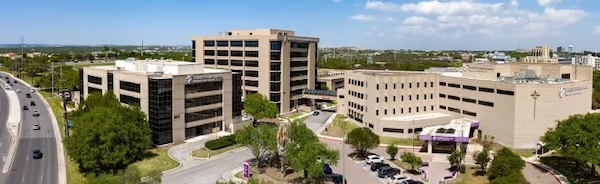
TSAOG Orthopaedics & Spine at Brooks City Base
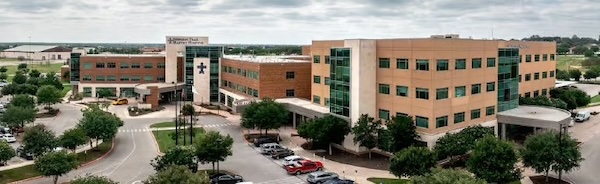
TSAOG Orthopaedics & Spine at Schertz Parkway

TSAOG Orthopaedics & Spine at New Braunfels

TSAOG Orthopaedics & Spine at Grayson Heights

TSAOG Orthopaedics & Spine near Alamo Quarry Market

TSAOG Orthopaedics & Spine at Ridgewood







© 2025 The San Antonio Orthopaedic Group, LLP. All Rights Reserved.