PHYSICIANS: Christian A. Woodbury, M.D. , Kevin L. Kirk, D.O., F.A.O.A. , Alexis Maiella, D.O. , Emmanuel C. Nwelue, Jr., M.D. , S. Josh Bell, M.D. , Harrison Scofield, M.D. , Sergio Viroslav, M.D. , Anthony Montanez, M.D. , Charles E. Bryant, M.D. , Shane C. Eizember, M.D. , Matthew T. Glazier, D.O.
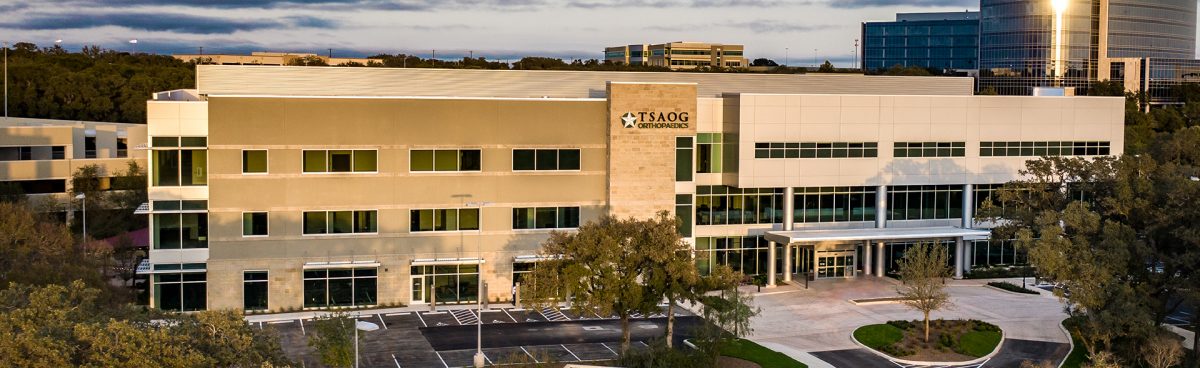
PHYSICIANS: Matthew C. Swann, M.D. , Linzy Fitzsimons, M.D. , Sergio Viroslav, M.D. , Alexis Maiella, D.O. , Joseph Poku, M.D. , Alexander S. Rowland, M.D. , B. Christian Balldin, M.D. , M. Brandon Dobson, M.D. , Cory J. Moczygemba, DPM , Jonathan S. Duncan, M.D. , Randall C. Marx, M.D. , G. Lane Naugher, M.D. , Richard Nauert, M.D. , Stephen C. Drukker, M.D. , Eloy Ochoa, Jr., M.D. , Patrick Ahern, M.D. , Lauren E. Karbach, M.D. , Scott R. Seidel, D.C. , Casey D. Taber, M.D. , Jessica F. Rutstein, D.P.M. , Richard L. Ursone, M.D. , Ephraim K. Brenman, D.O., R.M.S.K. , Matthew T. Glazier, D.O. , Bryan W. Kaiser, M.D. , David T. Hughes, D.P.M. , David E. Vizurraga, M.D. , Robert U. Hartzler, M.D., M.S. , Dustin B. Rinehart, M.D. , David R. Espinoza, M.D. , Justin Robbins, M.D.
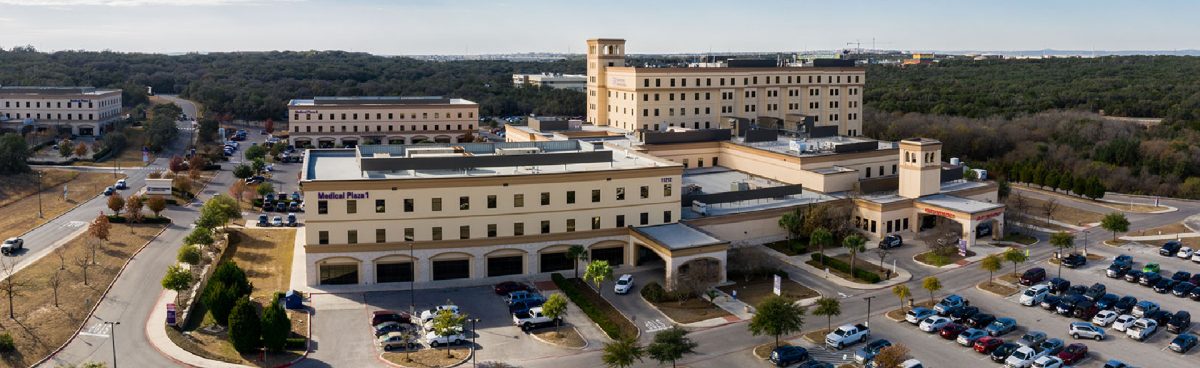
PHYSICIANS: Eloy Ochoa, Jr., M.D. , Stephen T. Gates, M.D. , Christian A. Woodbury, M.D. , Ephraim K. Brenman, D.O., R.M.S.K. , Anthony Montanez, M.D. , Shane C. Eizember, M.D. , G. Lane Naugher, M.D. , Harrison Scofield, M.D. , Maria Tijerina-Burleson, D.C. , Emmanuel C. Nwelue, Jr., M.D. , Richard Nauert, M.D. , Kevin L. Kirk, D.O., F.A.O.A. , Nicholas Nira, D.C.
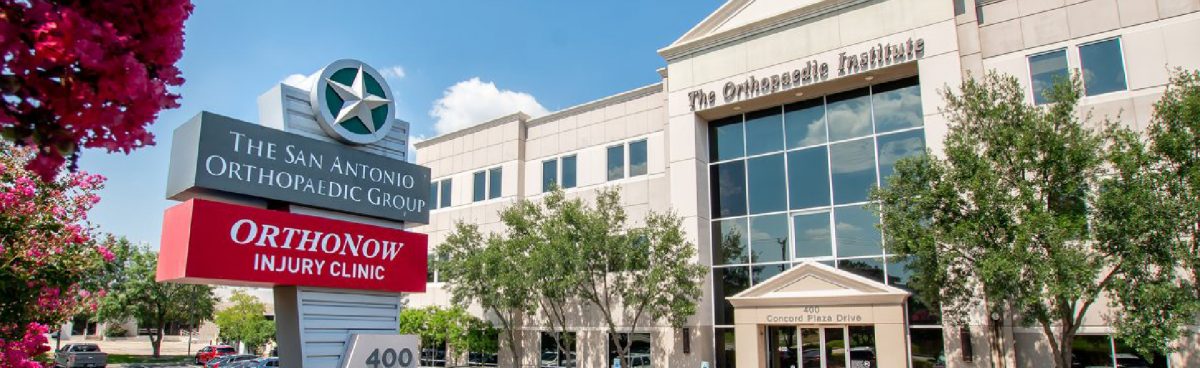
PHYSICIANS: Lauren E. Karbach, M.D. , David R. Espinoza, M.D. , Anthony Montanez, M.D. , G. Lane Naugher, M.D. , Shane C. Eizember, M.D. , Craig A. Kampfer, M.D. , Christopher J. Tucker, M.D. , J. Riley Martinez, M.D. , Ephraim K. Brenman, D.O., R.M.S.K. , Justin Robbins, M.D. , B. Christian Balldin, M.D. , Christian A. Woodbury, M.D. , Randall C. Marx, M.D. , Eloy Ochoa, Jr., M.D. , Stephen T. Gates, M.D. , Eduardo Moreno, M.D. , Matthew C. Swann, M.D. , David E. Vizurraga, M.D. , Charles E. Bryant, M.D. , Alexander S. Rowland, M.D. , Casey D. Taber, M.D.

PHYSICIANS: Alexis Maiella, D.O. , Dustin B. Rinehart, M.D. , Jonathan S. Duncan, M.D. , Lauren E. Karbach, M.D. , Nicholas Nira, D.C. , Justin Robbins, M.D. , Charles E. Bryant, M.D. , Emmanuel C. Nwelue, Jr., M.D. , Richard L. Ursone, M.D. , Jeffrey B. Shroff, M.D. , Mickey S. Cho, M.D. , J. Riley Martinez, M.D. , Richard Nauert, M.D.

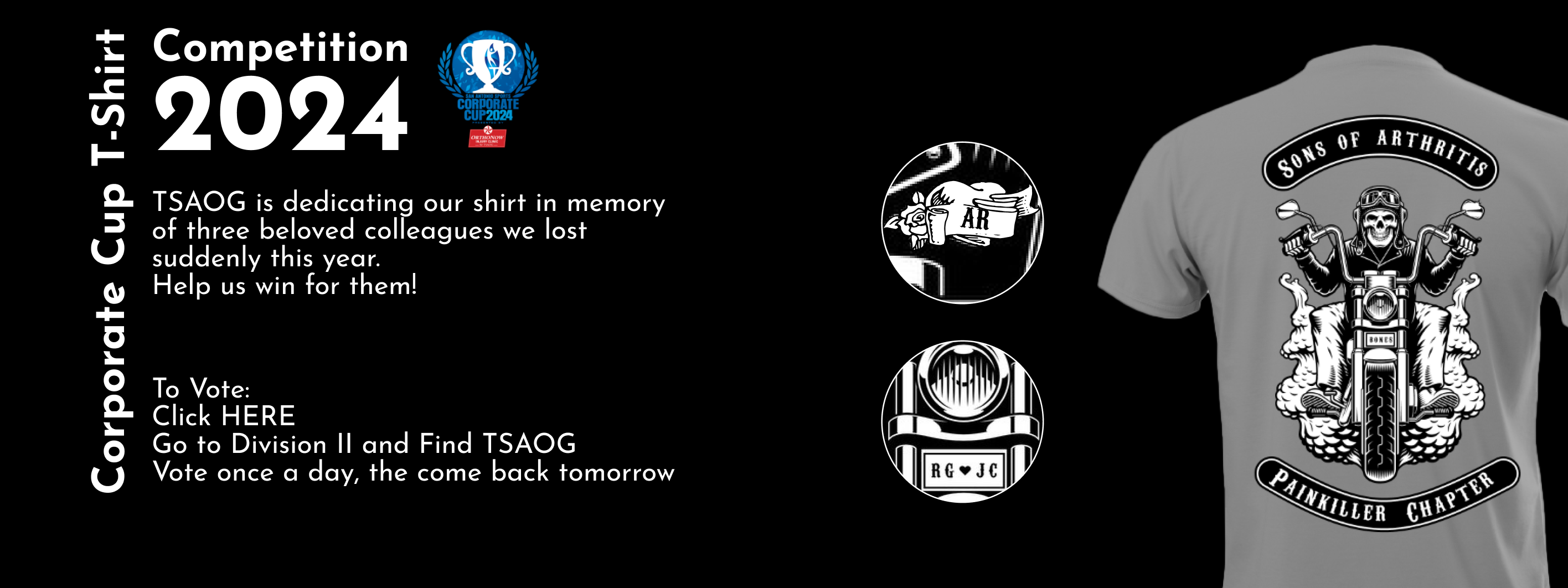
All morning appointments at our Brooks City Base location scheduled for 1/30/2024 are canceled due to unforeseen electrical issues.



Director of Human Resources
Cyndee White has worked in Human Resources for many years mainly in the restaurant and adult alcohol beverage industry prior to joining TSAOG in 2020.
Cyndee earned her degree in Human Resources in 2011 and earned her license in 2012 as a Professional in Human Resources. She grew up all over the country, New York and Indiana and settled in Texas in 2003. I guess you would call her a natural Texan now! Cyndee has four kids and four dogs so her life is always busy. She loves football, traveling and swimming or sitting on the back porch and relaxing every now and then.
Why does Cyndee love working for TSAOG? “Because it pushes me out of my comfort zone and allows me to explore new opportunities in an industry, I haven’t previously worked in. The culture and atmosphere are busy, crazy busy, but I wouldn’t change it for the world. I get to meet new people every day, get to help people every day and get to experience healthcare in a new way. I love engaging with my boss, my peers and my team.“

Human Resources Coordinator, joined TSAOG in June 2019.
Brandunn (Pronounced Brand-in) is from the small town of Pharr, located in the Rio Grande Valley of Texas. When he graduated High School, he moved to Houston and met his wife. They went back to the Valley but soon realized San Antonio was where they wanted to call home.
Brandunn started his career in retail, after about 6 years he decided he wanted to make more of a difference and joined the Physical Therapy world. He started with TSAOG as a PT Tech at our ROC location, after about two years he took a leap and joined the HR Team as one of the HR Coordinator’s.

Human Resources Manager
Andrea is from Somerset, TX, a small town just south of San Antonio. She completed her undergraduate degree at Colgate University in Hamilton, NY. Four years and a bachelor’s degree later she decided the snow, subzero temperature and lack of Mexican food was just too much for her and she moved back home to San Antonio!
In 2019, she started working for TSAOG as a Reception Specialist at our Mission Trails Clinic. Later, she joined the Human Resources department initially as an HR Assistant but continued her growth to her current role as the Human Resources Manager!

Human Resources Coordinator joined TSAOG September 2021.
Noah is originally from Louisiana, where he went to school and got his bachelor’s degree in Health and Human Performance. In August of 2021 he moved to San Antonio with his wife and began looking for places to work. Not yet being certain of exactly which road he wanted to take; Noah applied to TSAOG to be a Physical Therapy Technician at the Schertz location where he stayed for around 5 months.
Although he enjoyed working at the Schertz location greatly, he realized Physical Therapy was no longer the path he wanted to take. Noah moved into the HR Coordinator role over at the Annex where he now assists in New Hire Onboarding and other administrative duties.

Talent Acquisition Coordinator, joined TSAOG in August 2016 (for the 2nd time).
Angela is a San Antonio native. She originally joined TSAOG in 1998 and left in 2014 to continue her education. After earning a degree from the University of the Incarnate Word in 2015, Angela returned to her TSAOG family. She became part of the Compnow department and became the team lead.
When the position of Talent Acquisition Coordinator became available in February of 2022 Angela was beyond excited for the opportunity to recruit for the company that had always supported her over the years. She felt this was her chance to help grow our TSAOG family.
Angela loves spending time with her family. She has a passion for Art and painting. She also loves making celebration baskets for loved ones and friends.
Being part of the HR department makes it possible to meet and learn more about our employees (aka my TSAOG family) and I am grateful to be part of such a wonderful team.

Human Resources Generalist, joined TSAOG in July 2018.
Ericka is from a small town called Harlingen; born and raised there. She started working at Kohl’s about 4 years ago and was able to grow into different positions within the company. During that time, she moved to San Antonio in 2017. Since she has moved she has fallen in love with the city of San Antonio and never wants to leave.
In 2018 she started working as a Reception Specialist at the OI location. She immediately fell in love with TSAOG. Everything from the work environment to my coworkers, to decorating for Halloween and decorating for every Holiday for that matter. I knew at that moment I had found my work home.
About a year later Ericka started working as a Human Resource Assistant where she learned so much more about the Company and all the fun stuff TSAOG has to offer. A little while later she transitioned to a Recruiter role as the, “Talent Acquisition Specialist” where she gets to recruit for the surgery center positions and radiography.